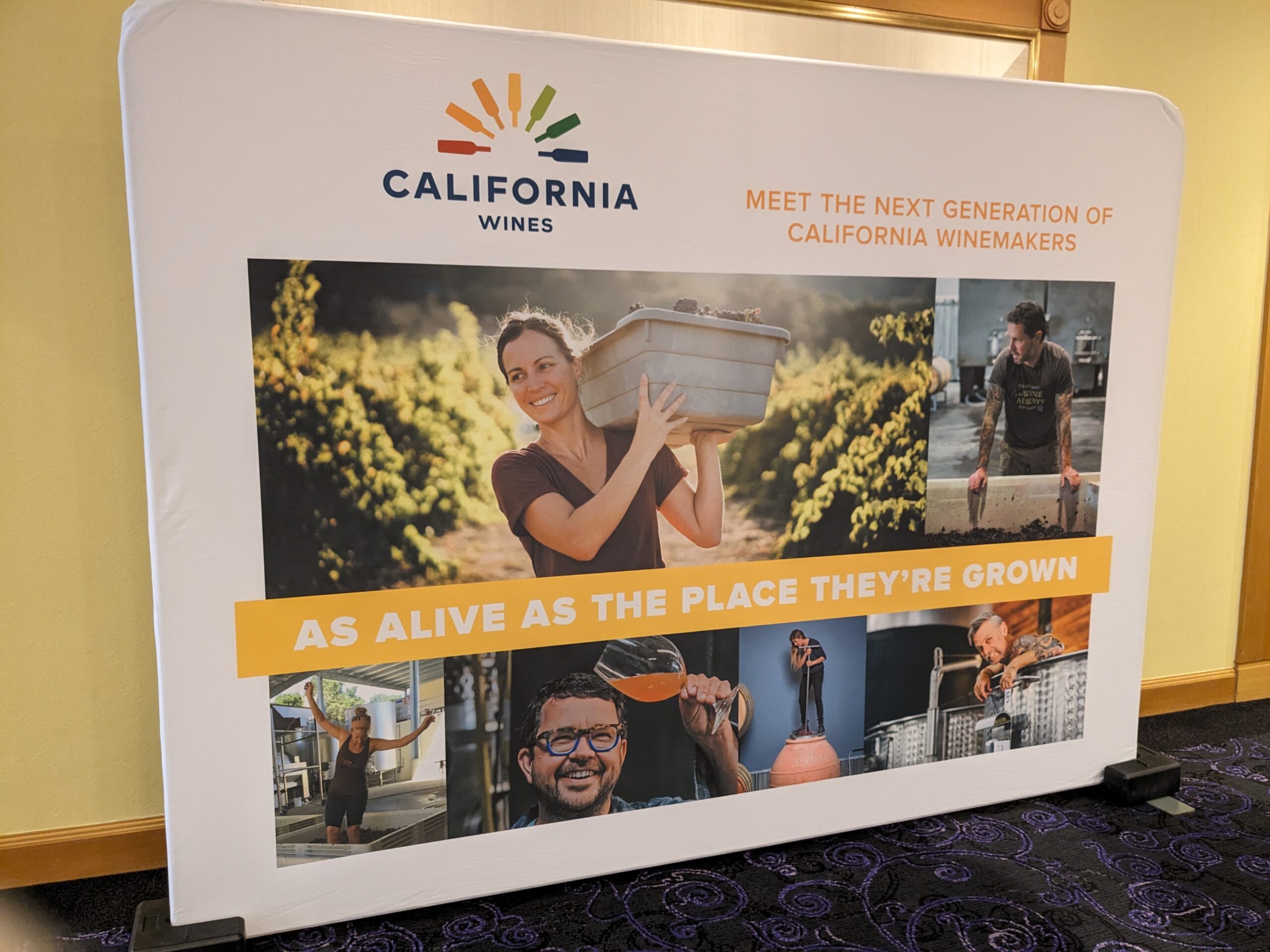
Recently, I had the opportunity to attend a wine seminar hosted by the California Wine Institute.
For me, this was my third time joining their events—after Lodi two years ago and the West Sonoma Coast last year.
This year’s theme?
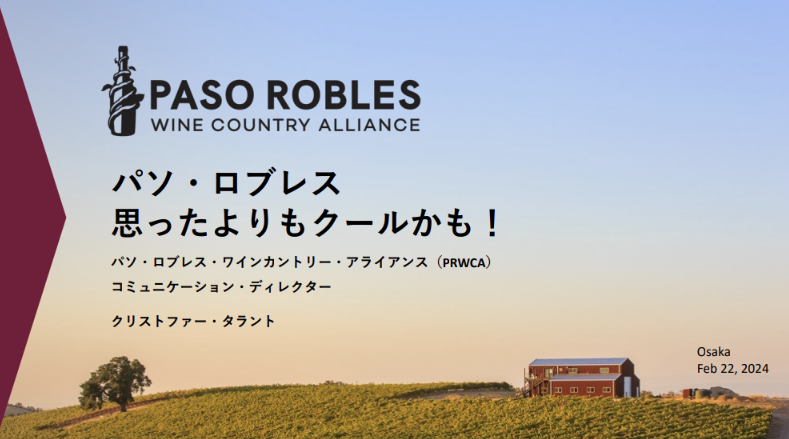
“Paso Robles: Cooler Than You Think.”
To be honest, I didn’t know much about Paso Robles before this seminar.
So if you’re thinking:
“I’ve heard the name… but where is Paso Robles again?”
Don’t worry—I’ve got you.
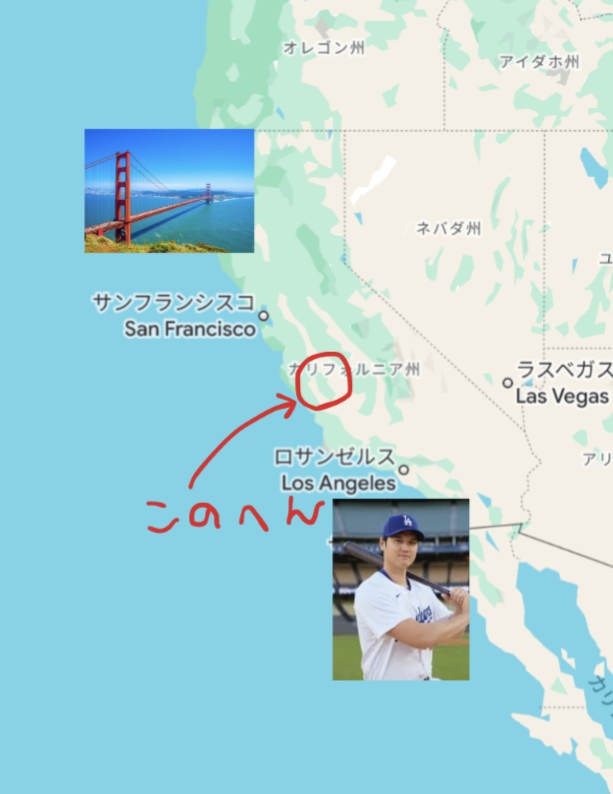
Paso Robles is located in the Central Coast region of California, roughly halfway between
Los Angeles (home of the Dodgers and Ohtani)
and
San Francisco (hello, Golden Gate Bridge).
If that still doesn’t help, feel free to Google it—or just keep reading and enjoy the ride.
At the beginning of the seminar, we were told:
“Paso Robles is not only a wine region but also home to Michelin‑starred restaurants, natural hot springs, and unique nighttime outdoor attractions. In 2020, The New York Times ranked it No. 6 on their ‘52 Places to Visit’ list.”
(Confession: I had no idea.)
In this article, I’ll walk you through what I learned about Paso Robles—its diversity, its unique character, the passion of its producers, and the wines we tasted.
The seminar was led by Christopher Tarrant from the Paso Robles Wine Country Alliance, and I’ll be sharing his insights along with my own impressions sprinkled throughout.
By the end, your understanding of Paso Robles will level up for sure.
Let’s dive in.
Check it out.
The Diversity of Paso Robles
If I had to choose one keyword from the seminar, it would be diversity.
Paso Robles grows over 65 grape varieties—a number that already hints at how multifaceted this region is.
To understand what makes this possible, let’s break it down into history, geography, climate, and soil.
A Brief History
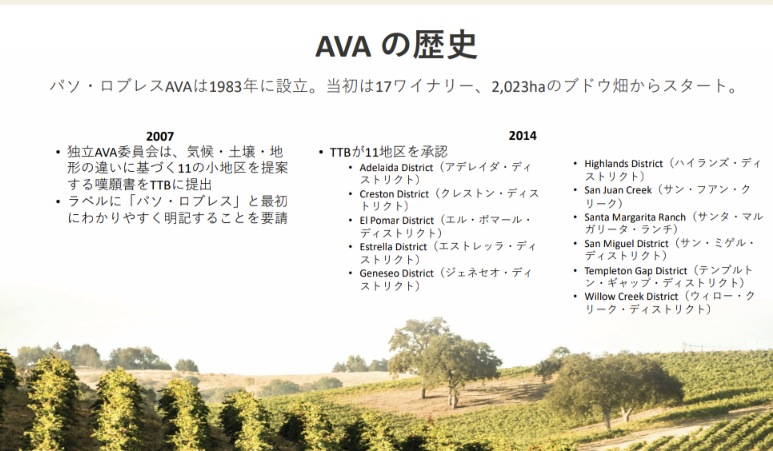
Paso Robles became an AVA (American Viticultural Area) in 1983—the same year many other major AVAs were established across the U.S., including Napa Valley and Sonoma.
The region covers a massive 243,000 hectares, and after years of research into its climate and geology, it was subdivided into 11 districts in 2007.
Each district has its own distinct characteristics, which naturally influence the wines.
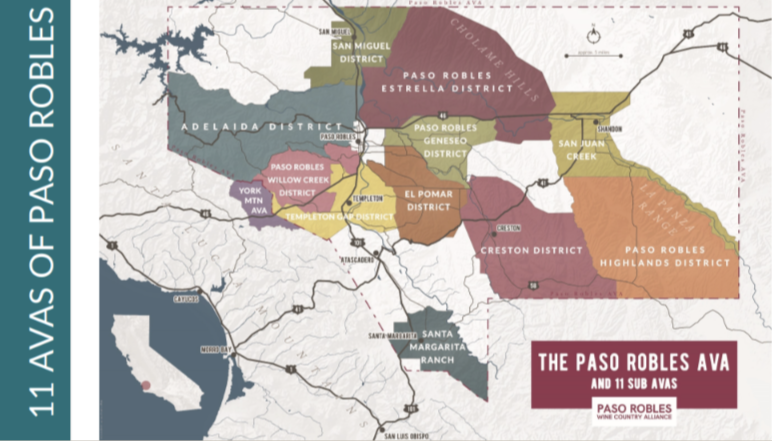
Unlike European wine laws, AVA regulations don’t dictate grape varieties or winemaking methods.
They simply define geographic boundaries—no hierarchy, no ranking.
This freedom is one of the reasons American wine styles are so diverse.
Geography and the Power of Wind
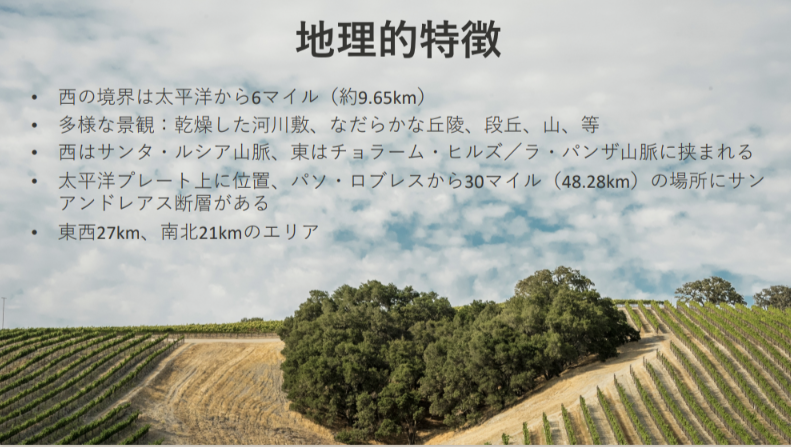
“Paso Robles” means “Pass of the Oaks” in Spanish, and the region truly lives up to its name with oak trees scattered throughout.
The area sits between two mountain ranges:
- Santa Lucia Mountains to the west
- La Panza Range to the east
The Pacific Ocean is only about 6 miles (9.6 km) from the western edge, while the eastern boundary stretches 27 km inland.
These mountains dramatically shape the climate.
From the West
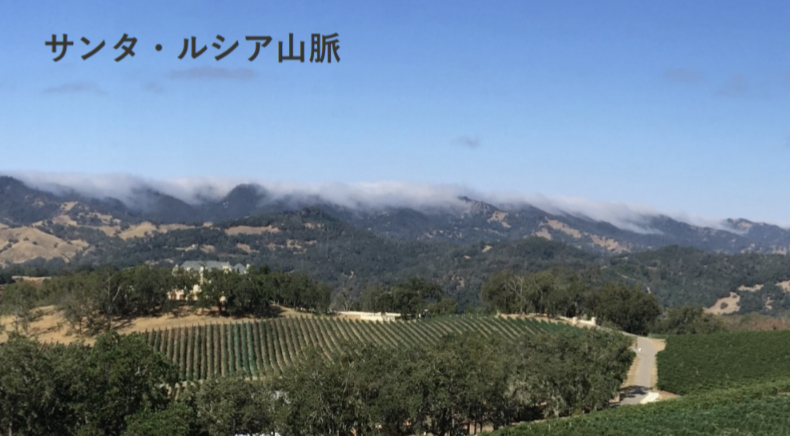
The Santa Lucia Mountains block cold Pacific air, making nights especially chilly.
But in summer, warm inland air rises and pulls in cool ocean air through the Templeton Gap, creating a natural cooling system.
From the East
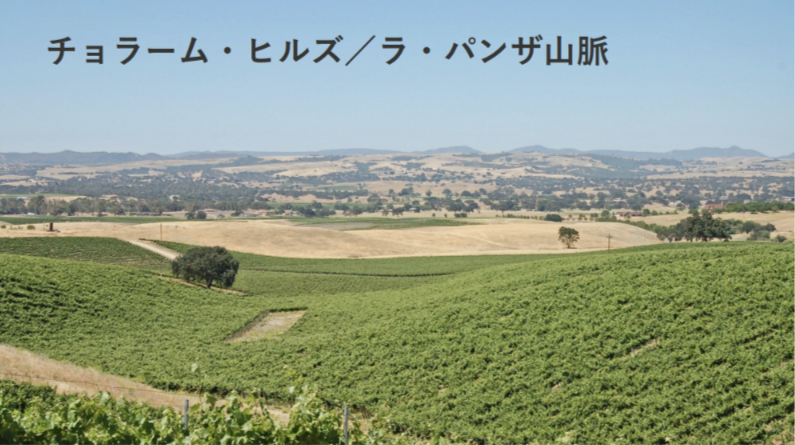
Cold downslope winds flow from the La Panza Range, cooling the mornings.
From the North
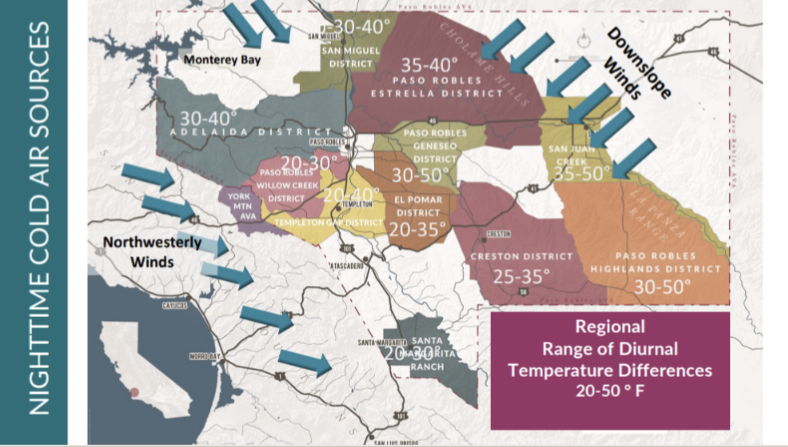
Winds from Monterey also influence the region.
The result?
Huge diurnal temperature swings—hot days, cold nights.
This allows grapes to ripen fully while retaining acidity.
And because it rarely rains during the growing season, disease pressure is low and grapes stay beautifully clean.
Wind matters. A lot.
A Mosaic of Soils
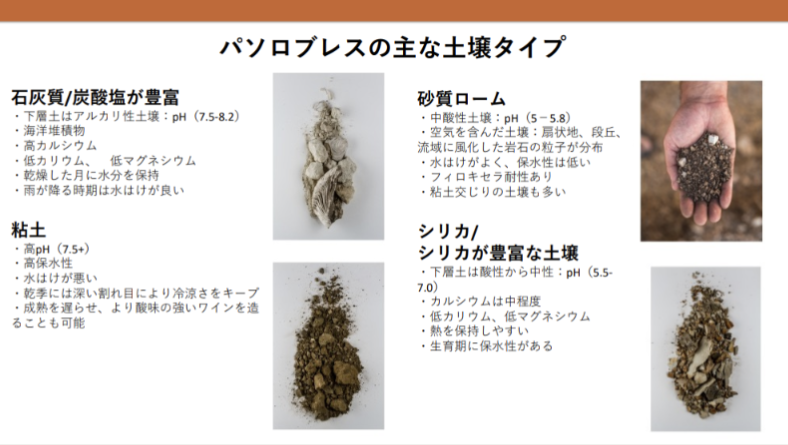
Paso Robles has around 30 different soil types, grouped into four major categories.
Among them, calcareous (limestone-rich) soils are especially important.
Calcium-rich soils help maintain acidity in grapes—one of the keys to Paso Robles’ balanced wines.
Clay Soils
Rich in organic matter, found in warmer areas.
They produce vigorous vines and wines with deep color and powerful structure.
Sandy Loam
Excellent drainage, common in lower areas.
These soils influence the fruit character—though I wish I had asked exactly how. (Classic me.)
A Fun Experiment
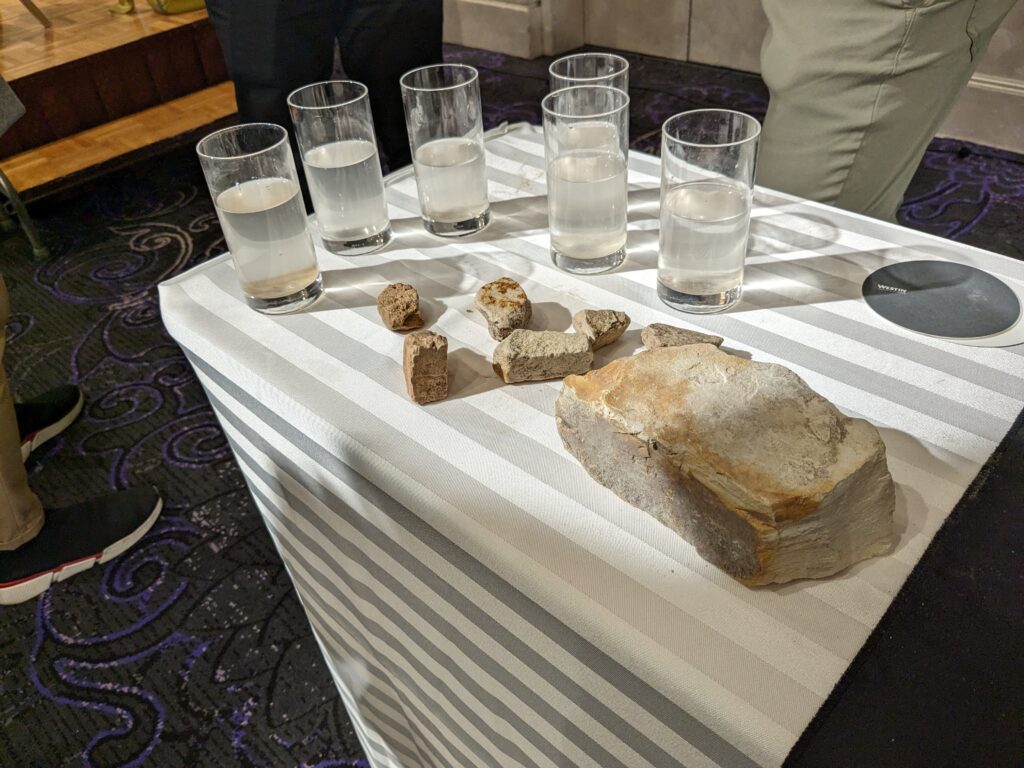
Christopher brought a light, silky limestone rock from Paso Robles.
When dropped into a glass of water, it released tiny bubbles as it absorbed water and expelled oxygen.
He joked, “This is Paso Robles sparkling water.”
The point?
These rocks act like sponges—absorbing winter rain and slowly releasing moisture during the growing season.
A brilliant natural irrigation system.
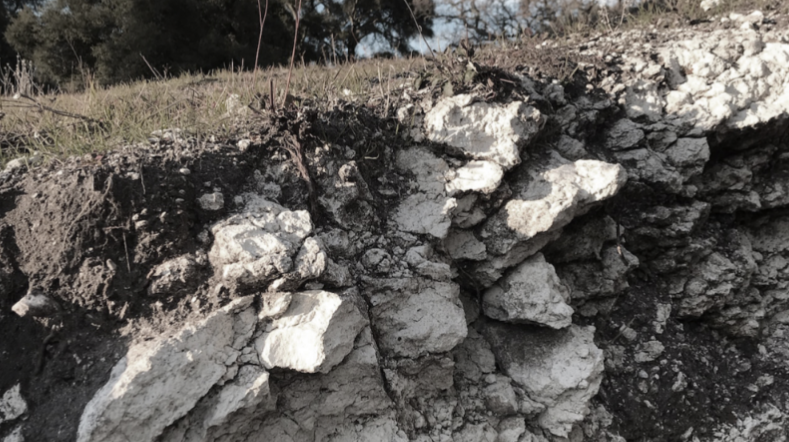
Ancient Marine Sediments
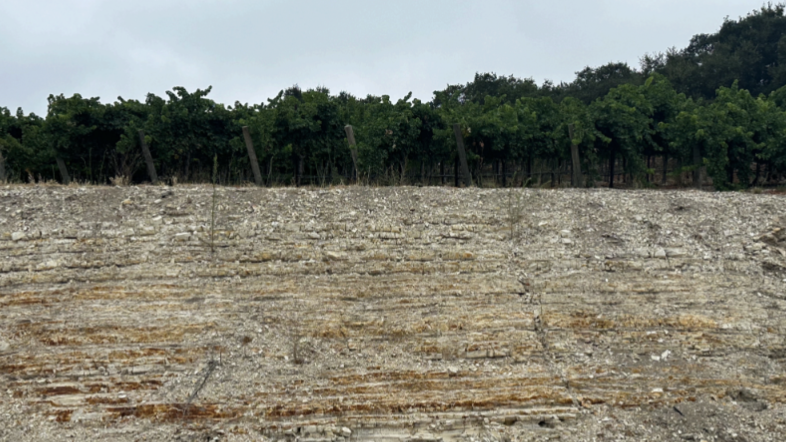
Some areas were once under the ocean.
Layers of shells and bones accumulated over millions of years, forming unique sedimentary soils.
(If anyone knows exactly how these soils affect wine, please tell me. I forgot to ask…)
The Secret Behind the Diversity
Soils are just the beginning.
Paso Robles’ diversity also comes from its wide range of grape varieties and the freedom of its winemakers.
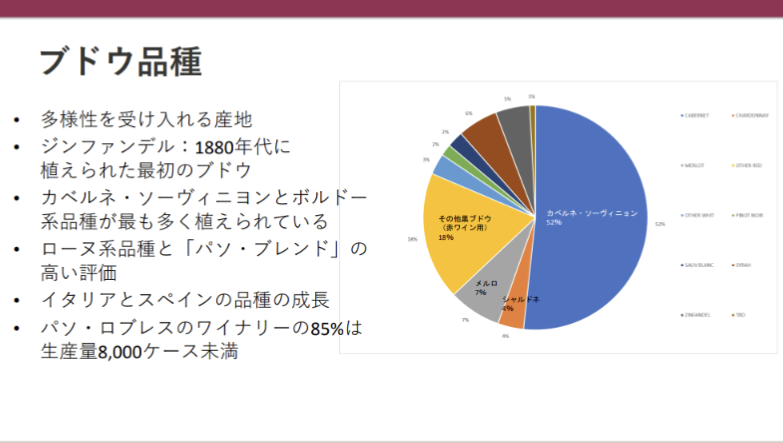
Varietal Diversity
Cabernet Sauvignon dominates at 50%, but more than 65 varieties are grown—from Sangiovese to Zinfandel to rare grapes.
Creative Winemaking
Producers aren’t bound by tradition.
They experiment with blends, varieties, and styles, resulting in wines that range from classic to boldly innovative.
Producers & Tasting Highlights
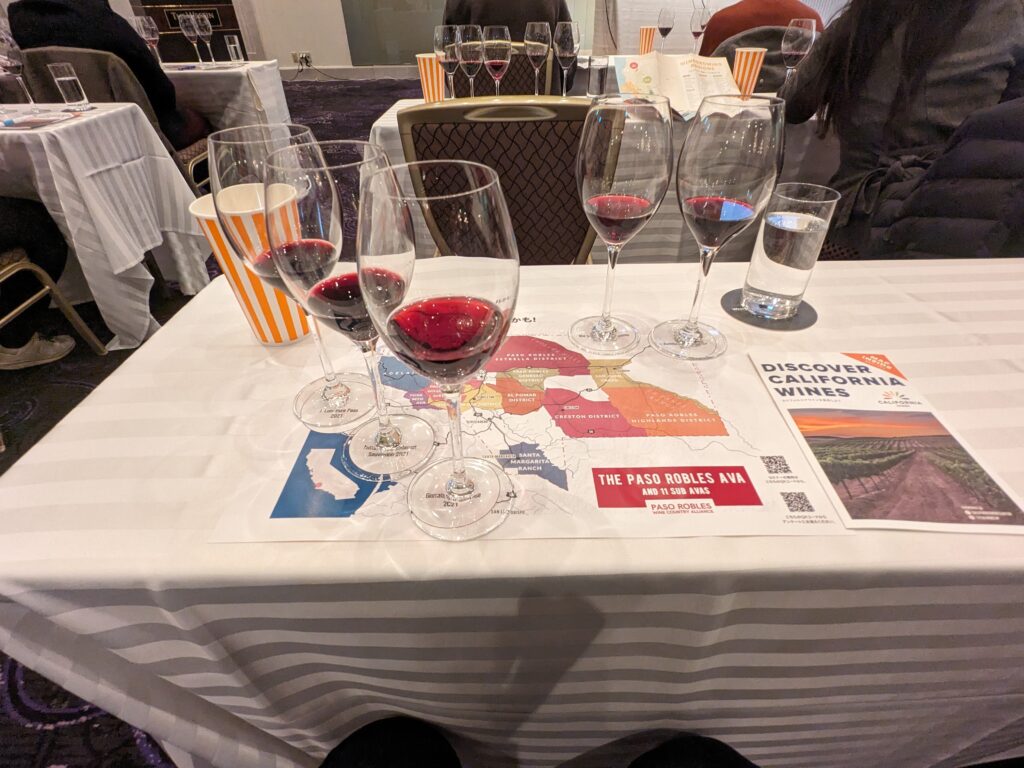
Here are the wines and producers featured at the seminar, along with my impressions.
Giornata Wines — Italian Spirit in Paso Robles
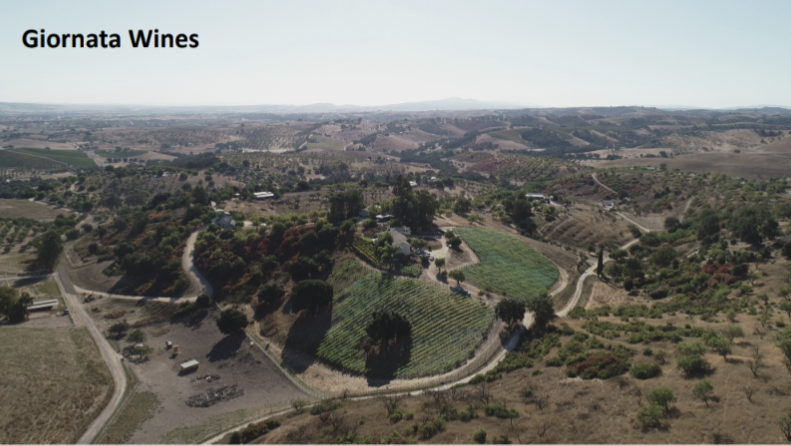
A small family-run winery focusing exclusively on Italian varieties.
The winemaker trained in Italy and follows traditional Italian methods—early harvesting, food-friendly balance, and lower tannins.
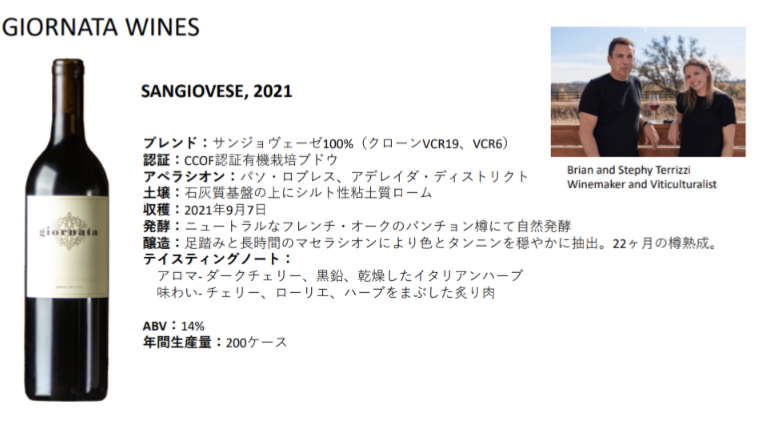
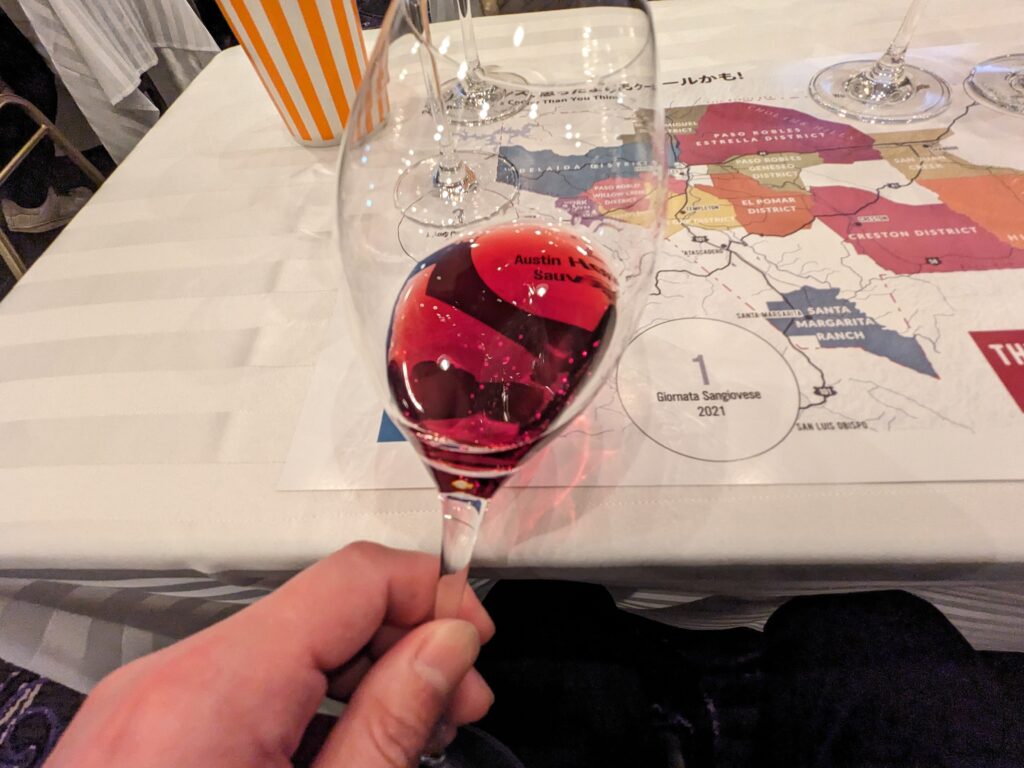
The wine we tasted was the lightest and most charming of the lineup.
Apparently, they also make pasta, though it’s not imported to Japan.
I want some.
Hope Family Wines — The Essence of Paso Robles in a Glass
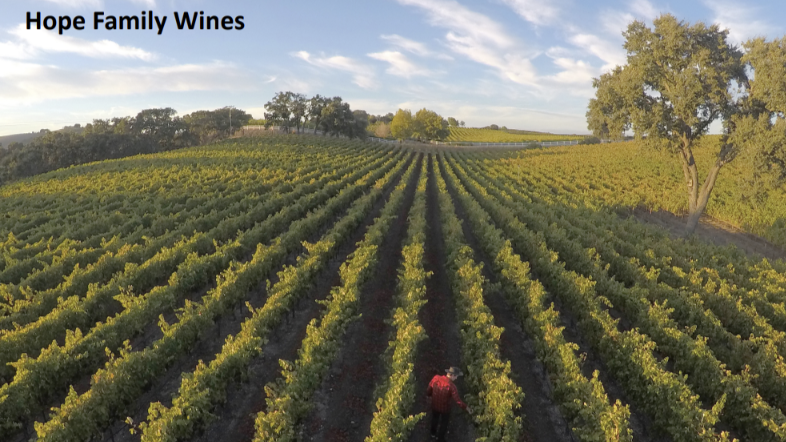
Founded in 1978, originally grape growers before starting winemaking in 1995.
Their Cabernet Sauvignon blends fruit from 9 of the 11 AVAs, aiming to capture the full diversity of Paso Robles.
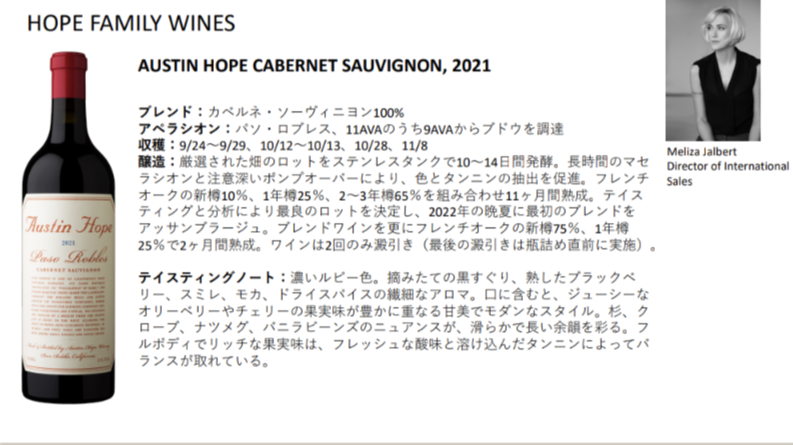
They are also committed to sustainability—water conservation, renewable energy, and certified sustainable vineyards.
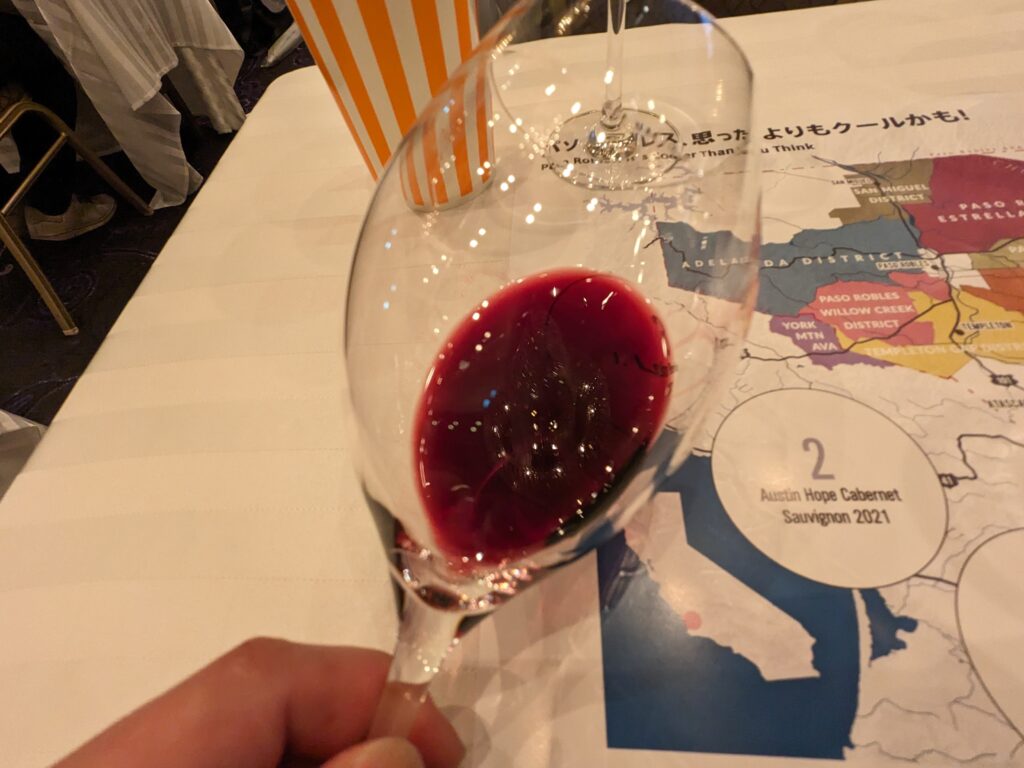
My notes say:
“Explosively jammy aroma, rich and bold. Pure sunshine in a glass.”
A concentrated, delicious expression of Paso Robles.
J. Lohr — The Taste of Passion and Persistence
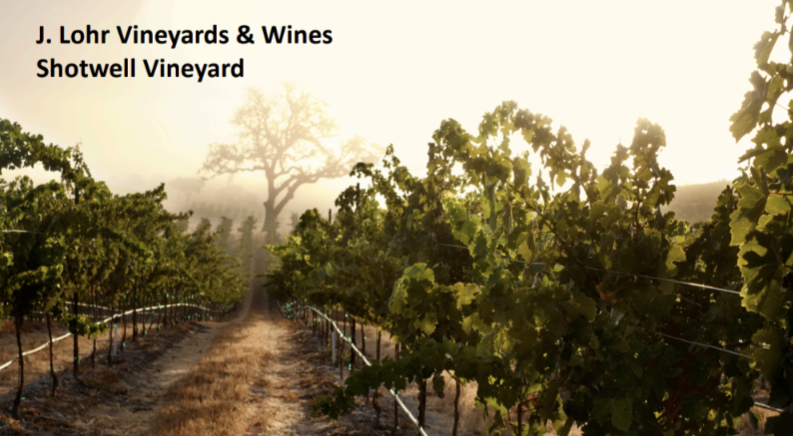
Originally based in Monterey, where cool temperatures made Cabernet impossible.
After trying Napa and other regions, they finally found their ideal home in Paso Robles.
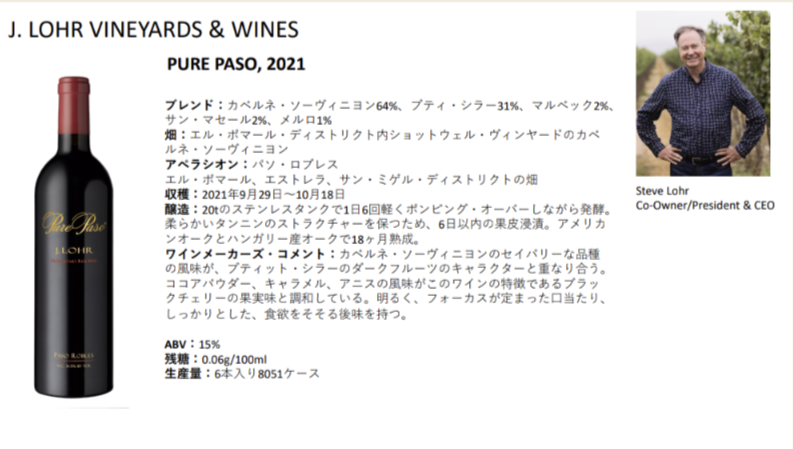
The wine blended Bordeaux and Rhône varieties, offering layers of black cherry, cassis, and blackberry.
Rich fruit, but smartly restrained—thanks to Petite Sirah’s structure.
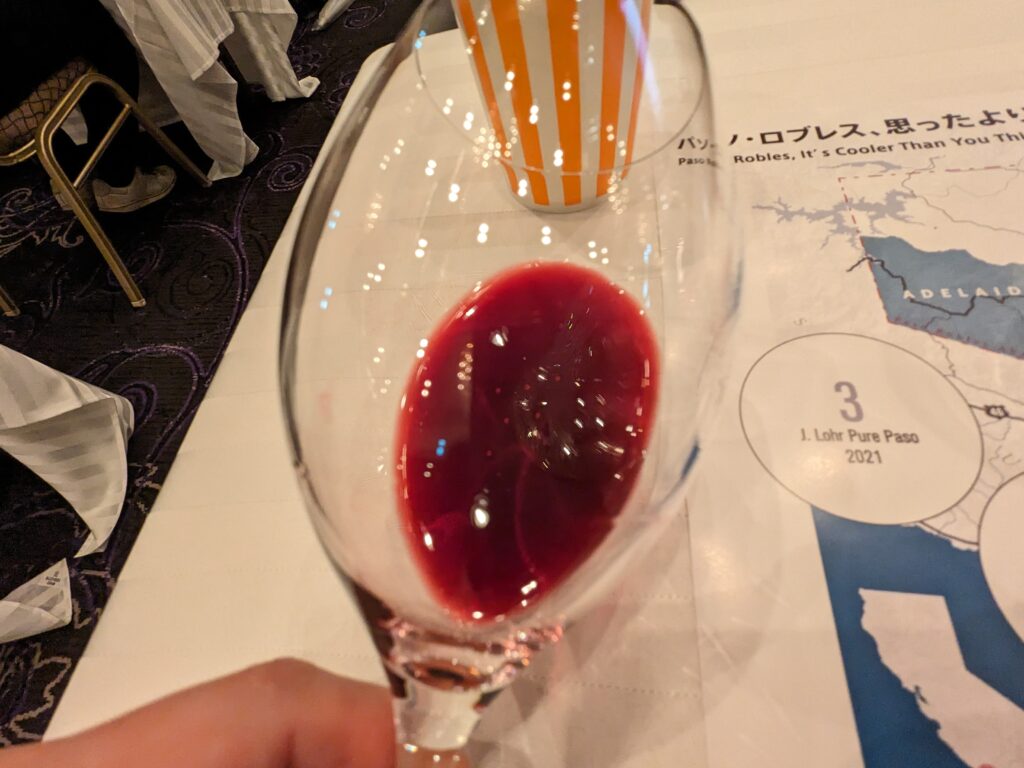
Bordeaux meets Rhône.
Delicious.
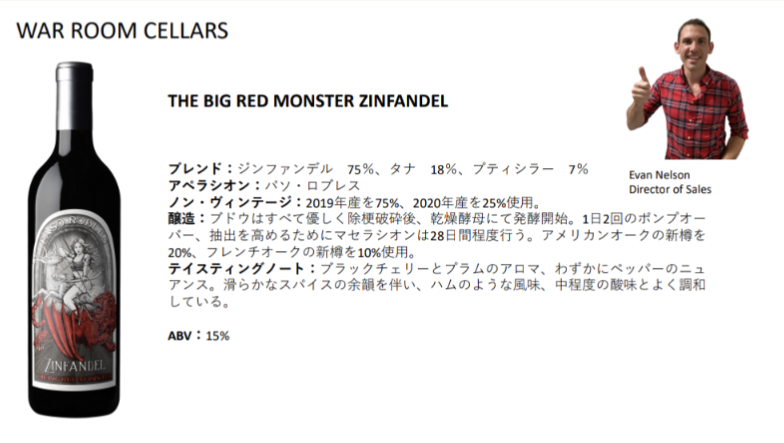
Big Red Monster — “Slay It!”
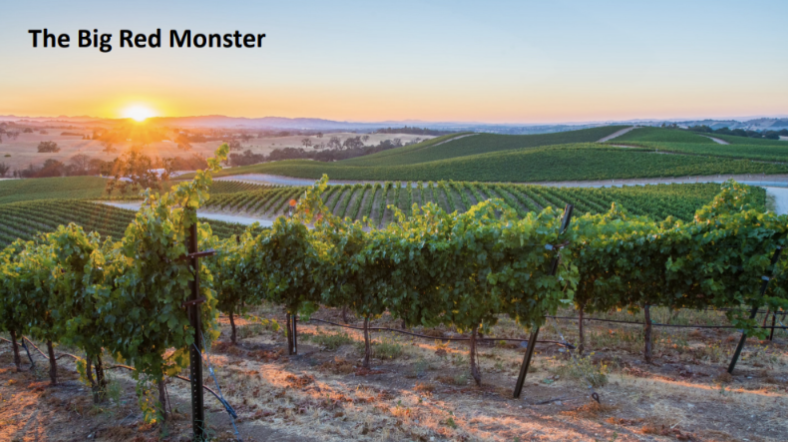
A bold, 15% ABV wine blending Zinfandel, Tannat, and Petite Sirah.
Despite the high alcohol, the blend keeps it balanced.
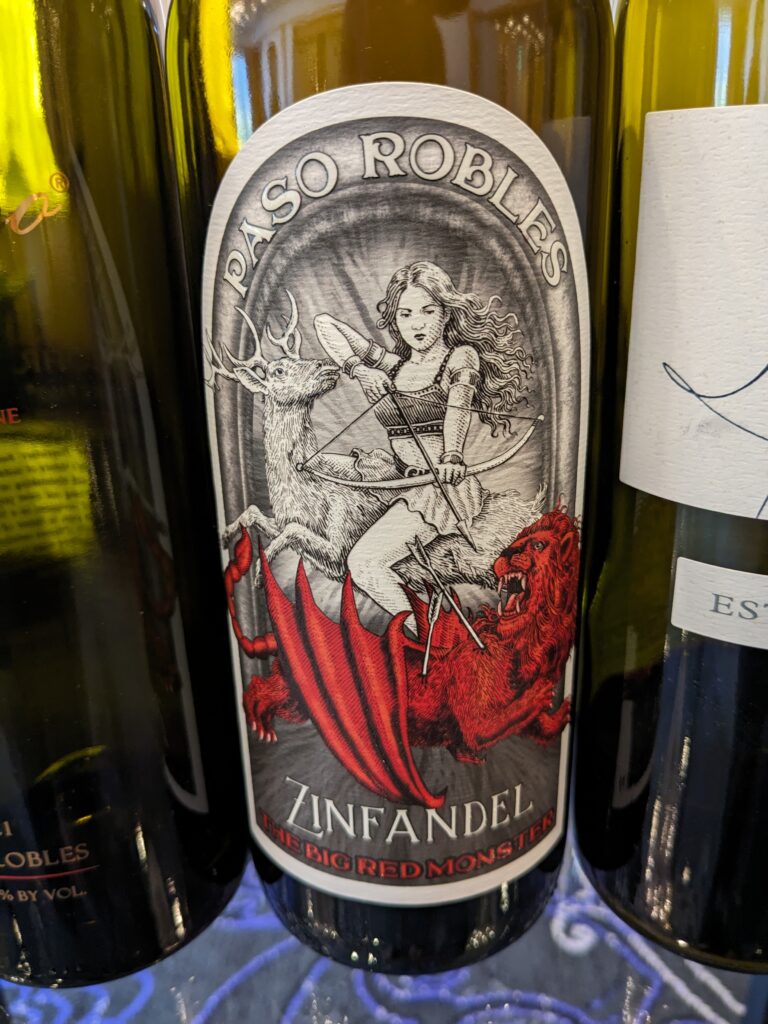
The label features Artemis—the goddess of the hunt—battling a mythical monster.
Their slogan, “Slay It,” is a cheer for anyone facing challenges.
After several Cabernets, this wine’s aroma hit differently—almost like beef jerky (in a good way).
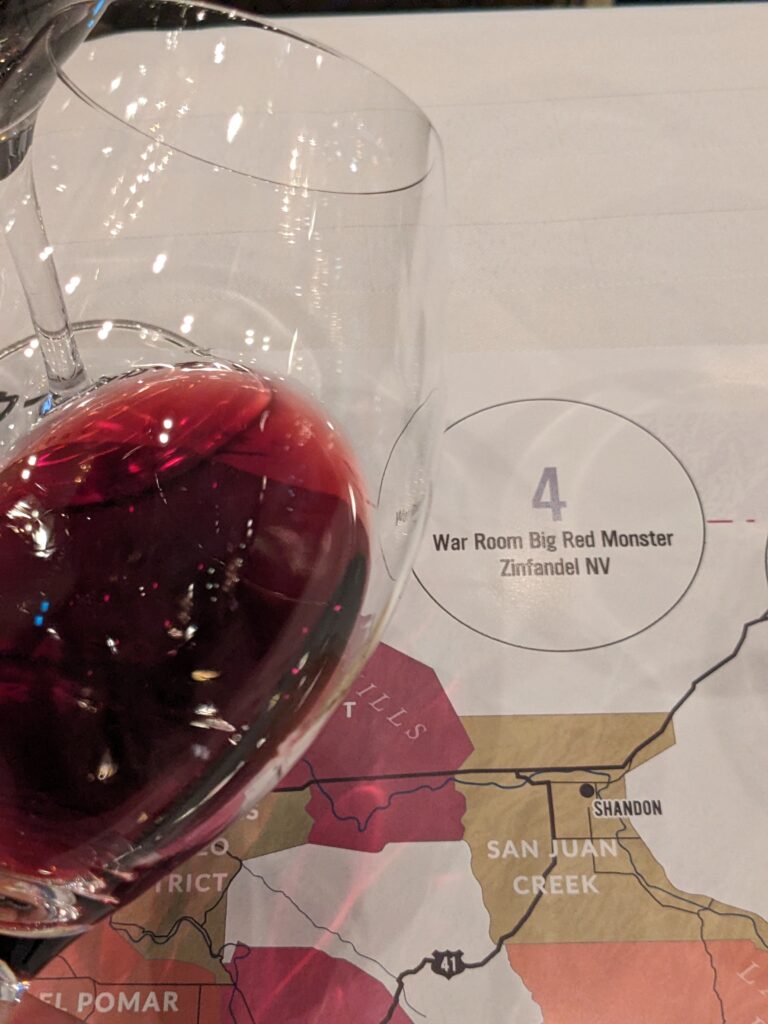
Cool label, cool message.
L’Aventure — A Quest for the Ideal Terroir
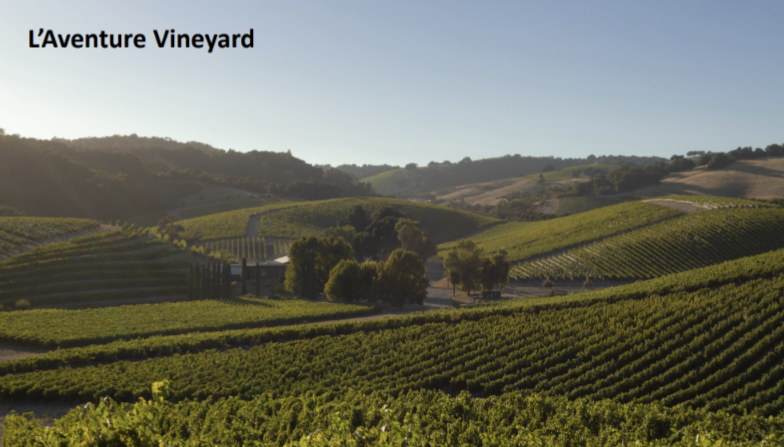
Presented by Simone, who spoke entirely in Japanese—impressive.
L’Aventure was founded by Stephan, a Bordeaux-trained winemaker who sold everything in 1996 to search for the perfect place to make Syrah-based blends.
After exploring South Africa and South America, he chose Paso Robles.
The vineyard sits on ancient soils dating back 2.5 million years.
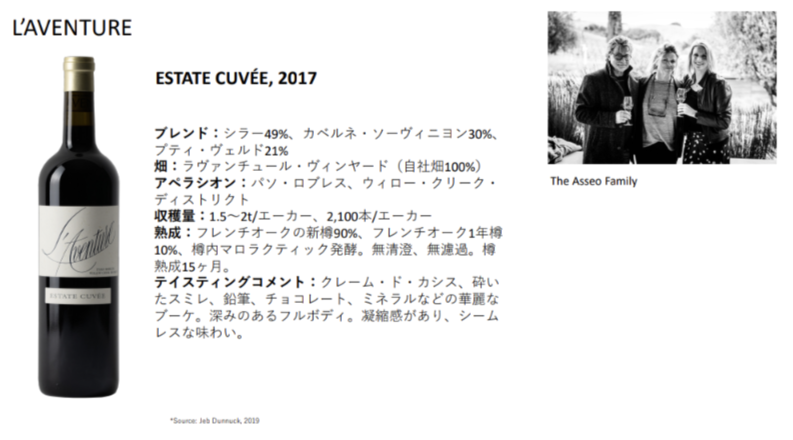
The 2017 vintage faced dramatic temperature swings before harvest, stressing the vines and producing a wine with deep aromas of blackcurrant, chocolate, and black spice.
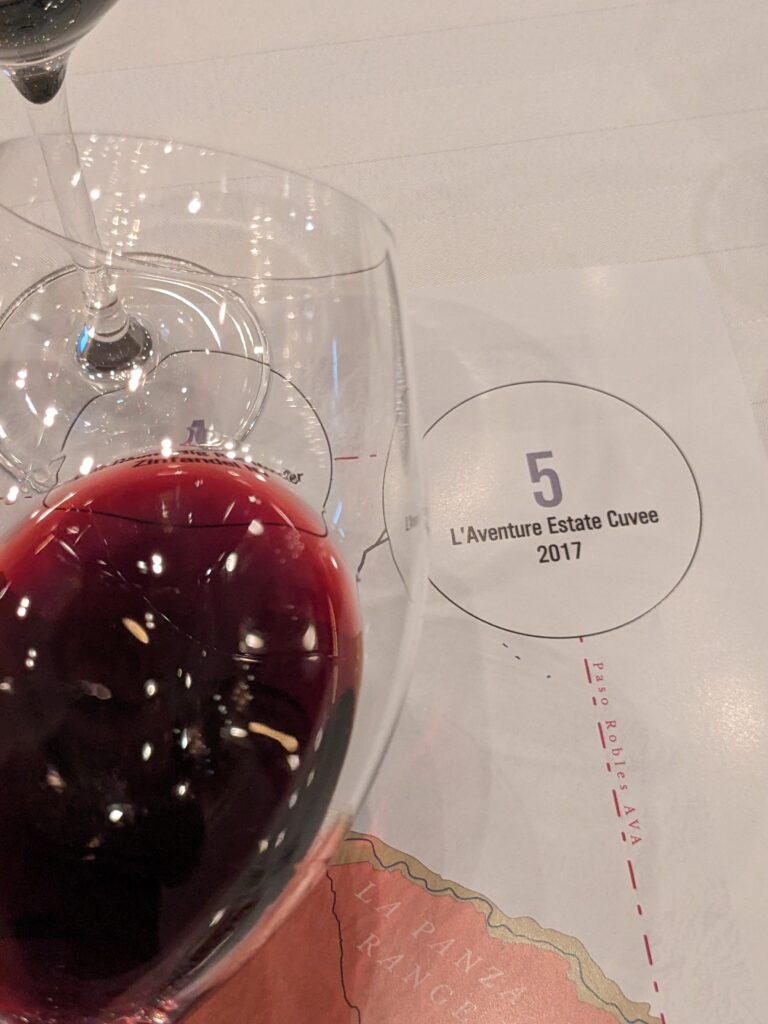
My notes simply say:
“Insane wine.”
Spicy, dense, silky—absolutely stunning.
Final Thoughts

Paso Robles turned out to be far more diverse and fascinating than I expected.
Producers here aren’t bound by rigid rules—they express the land, the grapes, and their own creativity freely.
Many are deeply committed to sustainability as well.
At the tasting afterward, I sampled not only Paso Robles wines but many others from across California.
So many styles, so many expressions.
There truly is a place for every wine.
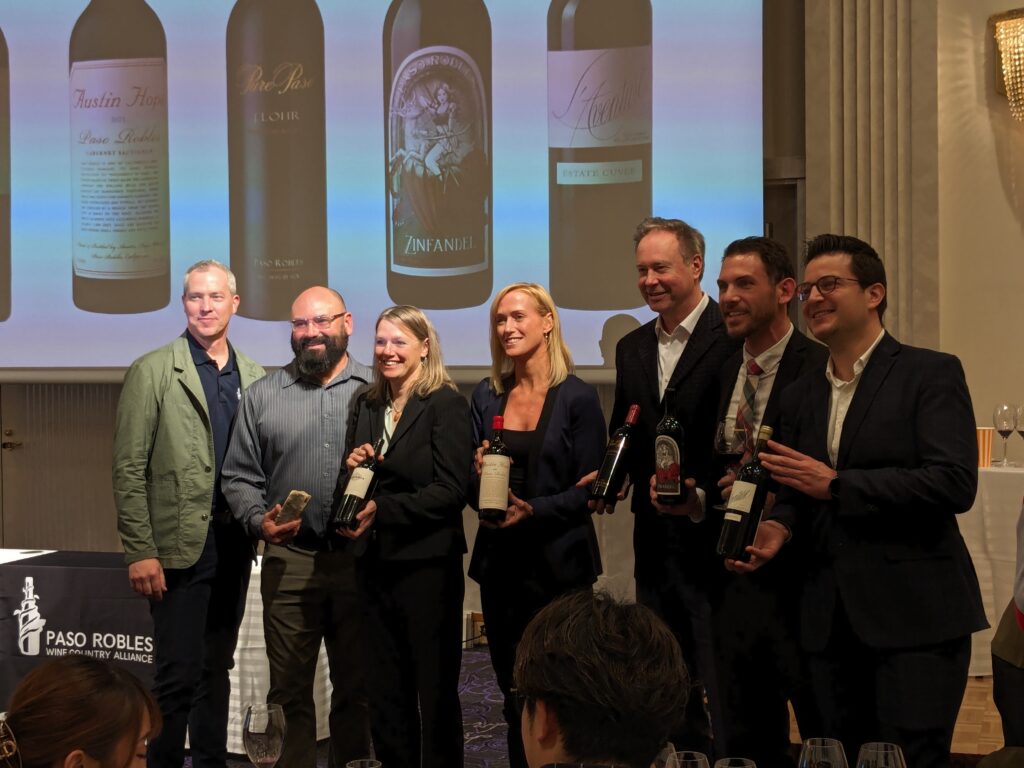
Huge thanks to the California Wine Institute and the Paso Robles Wine Country Alliance.
I’m already excited for next year’s event.
Thanks for reading.
See you next time!


コメント